ADAS Calibration: Why It Matters After a Collision
What Is ADAS and Why Should You Care?
If your car has features like lane keep assist, automatic braking, blind spot alerts, or adaptive cruise control, it has ADAS (Advanced Driver Assistance Systems). These features rely on cameras, sensors, and radar that are carefully aimed when the car is built. Even a small shift can throw them off.
When Does ADAS Need to Be Recalibrated?
Here are the most common situations:
- After a windshield replacement. The front camera is usually mounted right on the windshield, so a new one means the sensor needs to be reset.
- After front-end damage. The radar sensors in your bumper and grille can shift even in a minor hit.
- After frame or body work. If the structure of the car changes at all, the sensors won't line up the way they should.
- After a wheel alignment. ADAS uses your car's alignment as a reference point, so if the alignment changes, the sensors need to be updated too.
How Calibration Works
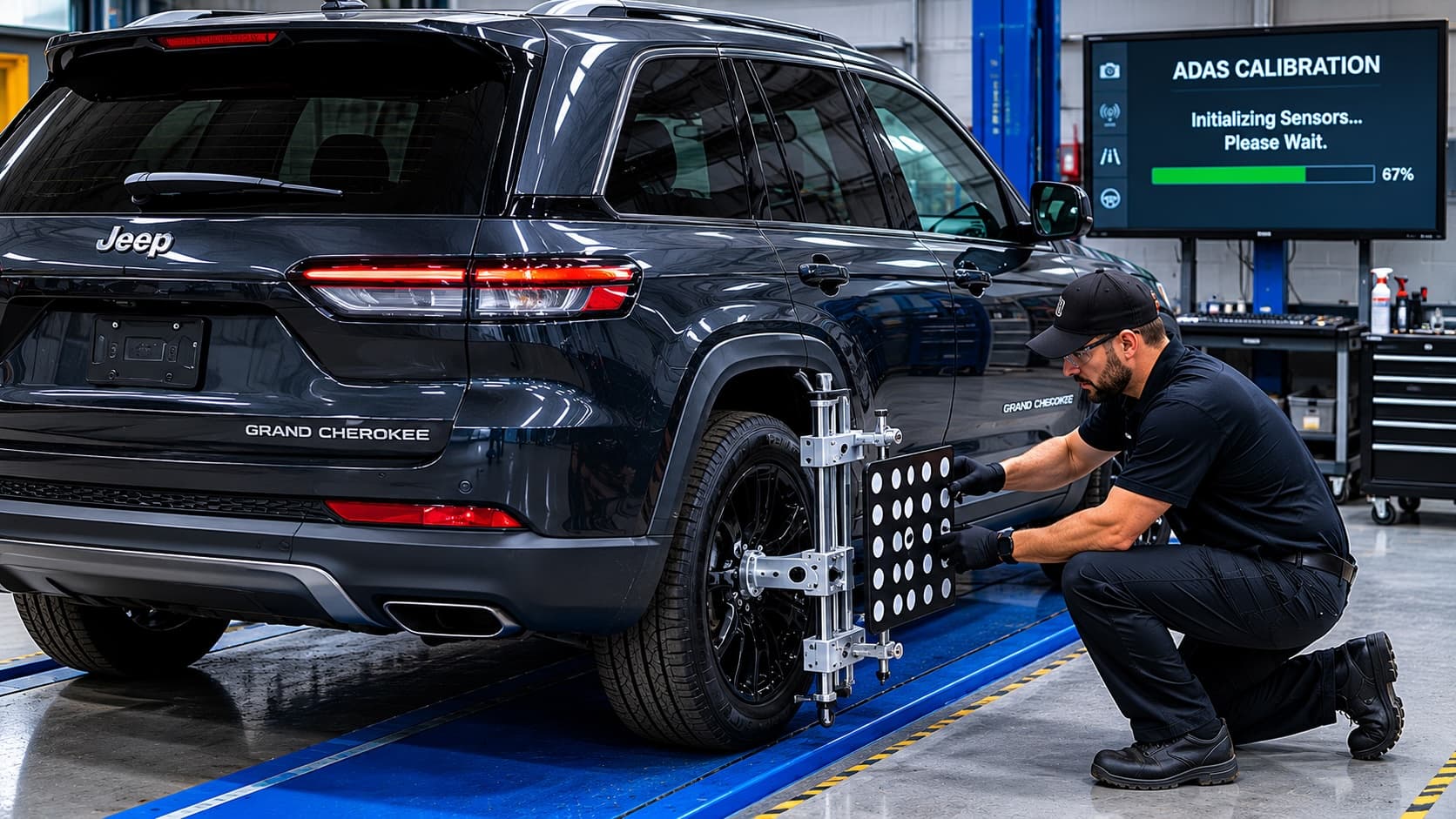
A technician uses special tools and targets to line everything back up to the manufacturer's exact specs. It has to be done in a controlled space with the right equipment. This isn't something you can eyeball.
Why You Shouldn't Skip It
If your ADAS isn't calibrated right, it might not warn you when it should, or it could give you false alerts. Either way, it's a safety risk. At Buff X Collision, we include ADAS recalibration with every repair that affects these systems. Your safety is the whole point.